

The future of learning isn’t only in classrooms. By gaining real-world experiences in authentic professional settings like internships, projects, and mentorships, high school students across the country are acquiring new skills and expanding their postsecondary opportunities for after graduation. Yet work-based learning can be hard to do well, and ongoing challenges such as student accessibility and low employer engagement make the barriers to implementing these programs high.
 Amid these challenges, providers across the country are working to turn effective work-based learning into the norm. With a network of more than 143 high schools across 30 states and off-campus partnerships in workplaces and community organizations, Big Picture Learning (BPL) helps high school students pursue real-world learning opportunities in areas they’re passionate about. And its outcomes are strong: 95% of BPL students are accepted into 2-year or 4-year postsecondary institutions, while 88% of those who don’t enroll in college secure full-time employment following high school graduation.
Personalized student learning plans are central to BPL’s model, as is including school leaders, teachers, mentors, and family members in those learning plans. To learn more about the organization’s model and approach to work-based learning, I spoke with three BPL coaches: Zelia Gonzales, program director of Real-World Learning Innovations in New York City; Brandon Slaughter, program director of the New York Internship Pathways Community; and Beth White, the director of Habitat for Aviation, an affiliated apprenticeship program in Vermont that trains high school and early college students in aviation and avionics.
Note: Questions and answers have been edited for clarity and length.
Kelly Robson Foster: One thing that always comes up with our work-based learning partners is the important role operations play in effective implementation. What systems or processes do schools or programs need in place to execute real-world learning programs successfully?

Brandon Slaughter, program director of New York Internship Pathways Community
Brandon Slaughter: Real-world learning doesn’t begin by simply placing students in internships with mentors. It requires a conscious effort to help students explore their personal interests, expand their passions, and gain exposure to people, places, and experiences that can deepen their sense of direction. Schools most successful in implementing real-world learning commit to these structured “cycles of exploration,” and rely on the entire school community — like teachers, staff, families, and alumni — to identify mentors, professionals, and organizations who can provide students with hands-on experiences.
Zelia Gonzales: Time for staff to work together is also essential. Too often, schools rely on a single work-based learning or internship coordinator to carry the load. That person plays an important role, but they can’t hold the work alone. In the strongest schools, real-world learning is woven through the entire culture, like mycelium connecting everything beneath the soil. Cooperative structures like school advisory systems help staff design real-world learning opportunities, problem-solve together, and describe how they support students in pursuing their interests in the real world.
Beth White: Schools also need systems that recognize and value out-of-school learning as legitimate sources of students’ knowledge building. When Vermont’s Act 77 officially allowed schools to count Flexible Pathways to Graduation more than a decade ago, it gave them the confidence and support to recognize learning that happens outside of school — but schools still had to create internal processes to link mentors with students. My work often involves helping schools award academic credits for student skill-building experiences that happen outside their walls, whether that’s in an airport hangar or at a community workshop. That means building flexible personal learning plans and ensuring advisors, families, and mentors are all involved.
KRF: Many schools face barriers to work-based learning implementation, such as transportation, rural locations, and limited employer engagement. What challenges have you encountered, and how have you addressed them?

Zelia Gonzales, program director of Real-World Learning Innovations
ZG: I’ve seen schools struggle with all of those barriers. But the bigger challenge is often mindset. If you frame your request to potential partners as “businesses hosting internships,” you’re going to hit walls. Many potential partners don’t see themselves as big enough or professional enough to take on a student. What works better is looking for “knowledgeable and curious adults interested in working with young people.” Start small with an informational interview, then a shadow day, then a longer internship if interest grows. By then, a supportive relationship is established between the partnering business and the student.
BS: I agree that securing long-term partnerships can be difficult. In New York City, one of the biggest challenges we face is identifying professionals, businesses, and organizations willing to open their doors to youth for more than a short field trip. Employers often think they aren’t equipped to design and manage longer-term experiences, citing a lack of experience in education or program design. They may view students as workers, rather than learners who require oversight and support, and can also have legal concerns about hosting high school students for job shadows, worksite visits, or internships. The most successful schools build strong, trust-based relationships with professionals who understand and value the purpose of real-world learning. These partnerships, grounded in shared goals and mutual understanding, often make deeper learning experiences possible.
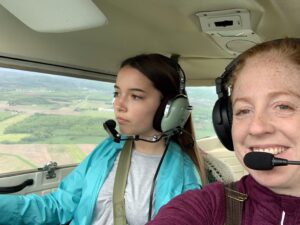
BW: Transportation and access are real barriers in rural areas. At Habitat for Aviation, we created our own ecosystem: a hangar where students and mentors work side by side. That space became a hub where young people found belonging and purpose. Emma Cornett, who started with a shadow day, ended up with a Harbor Freight Fellowship, a part-time job, and eventually a full-time role — all before graduating from high school. Miranda Gallagher began with a single free flight, then apprenticed, interned at an aerospace company, and now studies engineering on a full-ride ROTC scholarship. These stories show that when schools and community organizations partner creatively to provide students with work-based learning opportunities, barriers can become launchpads.
KRF: How do you ensure real-world learning experiences are rigorous and connect to academic skills like literacy, math, and problem-solving?
BW: In the hangar, rigor is everywhere. So is math: Students calculate weight and balance, measure sheet metal down to 1/32 of an inch, and read aircraft manuals. They log hours, document their learning, and present to community partners. Unlike in a traditional classroom, these skills matter immediately in the hangar: Students are building an actual airplane, not filling out a worksheet. To put it simply, youth are the curriculum and the community is the school. When we connect young people with mentors and organizations linked to their interests, we provide opportunities to work in the real world where they find meaning and discover how they matter in a team or larger organization.
ZG: Real-world projects already demand literacy, math, and problem-solving. The issue is highlighting those connections and supporting students to build the skills they need to fully engage. One way is to ask mentors to name where these skills show up in their own work. Another is to hold regular project reviews where panels of students and their teachers from different disciplines push one another’s thinking. And depth takes time; sometimes projects need to last a year or two, not just one semester.
BS: I agree. The most effective real-world learning projects I’ve seen involve schools pausing traditional classes and dedicating more time to collaborative, project-based learning, often involving site visits. Students work in groups alongside professionals to tackle real-world problems while teachers integrate core content instruction. Students weave together what they’re learning in literacy, math, science, and social studies into one cohesive project and conclude by presenting their findings and reflections to their peers, teachers, and the professionals that guided them.
KRF: What changes have you seen in students’ skills, confidence, or postsecondary readiness as a result of participating in real-world learning opportunities?
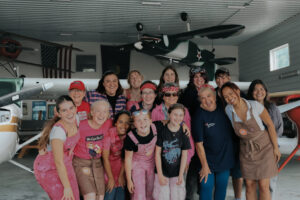 BW: I’ve watched students grow from hesitant to confident leaders. Emma found her place in aviation and graduated high school early, having already had experience in the field. Miranda went from a shy camper to a mentor and ambassador for BPL, leading peers and earning a scholarship to study aerospace engineering. These are not outliers; they’re what happens when young people pursue work that matters to them, with adults who care about them. And the technical, social, and emotional skills they gain stick with them for life.
BS: Work-based learning coordinators frequently carry the responsibility of placing students in internships, but students need support in developing skills and confidence to build networks and secure experiences independently. But I have seen major benefits when we put the onus on students: Students who learn to identify their interests, reach out to professionals, and advocate for themselves build skills, confidence, and postsecondary readiness that extend far beyond a single internship.
ZG: I have seen some powerful transformations. One student interested in culinary arts created a set of meal options rooted in his culture and family recipes, and paired it with thoughtful research and menu design. Another shy student built a design portfolio inspired by art history and presented it proudly after initially wanting to stay silent. Work-based learning helps students move from, “I just want a paycheck” to “I’m exploring something meaningful to me.” That shift is enormous for postsecondary readiness.
To learn more about Bellwether’s work-based learning partnerships, reach out to Mark Baxter at mark.baxter@bellwether.org.
